

I’ve heard this more times than I can count, from frontline officers to seasoned professionals in both physical and cybersecurity.
And I get it. When the job is to respond fast and follow SOPs, systems thinking feels like an academic luxury.
But here’s the truth:
Security operations are never just linear. They’re dynamic, interdependent, and full of unpredictability.
Having spent over two decades with the Singapore Police Force as a NS man rising through to become a Key Appointment Holder and awarded the HomeTeam NSman of the year for my role in overseeing the security of 20+ hotels during the SEA Games, I’ve seen how even the best-laid plans unravel when emergent risks surface.
 What matters in those moments isn’t just experience. It’s the ability to pause, see the system, and make sense of what’s not immediately visible.
That’s why, thank in great deal to the forward thinking mindset of CEO of SATS Security Services, Mr Manimaran Pushpanatan, I’ve been delivering systems thinking habits programme at SATS Ltd. Security Services, starting with their Commanding Officers and now their Deputy COs and Team Leads—those on the ground keeping Singapore’s airport safe.
The goal:
Not to add complexity to their work.
But to strengthen the thinking habits that help them navigate complexity in operations.
Over the past two years, we’ve been embedding systems thinking habits, not as a workshop tick-box, but as an everyday mindset.
To help leaders spot patterns faster.
Prevent unintended consequences.
And lead with greater clarity in high-stakes environments.
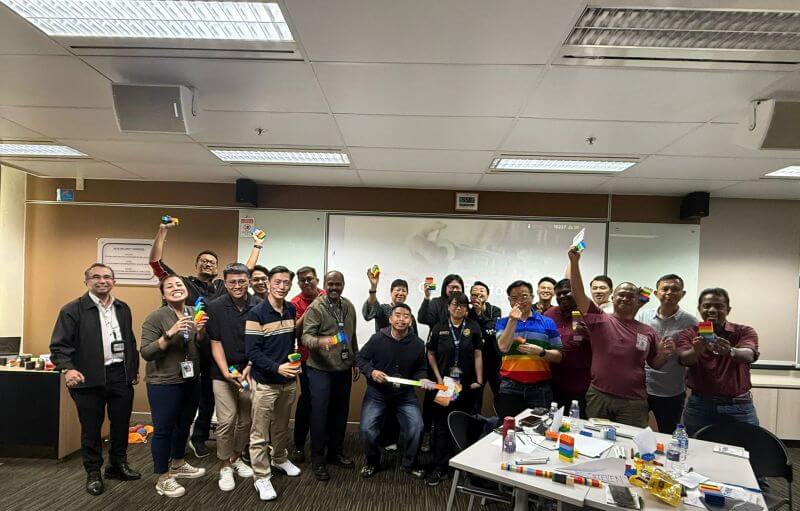
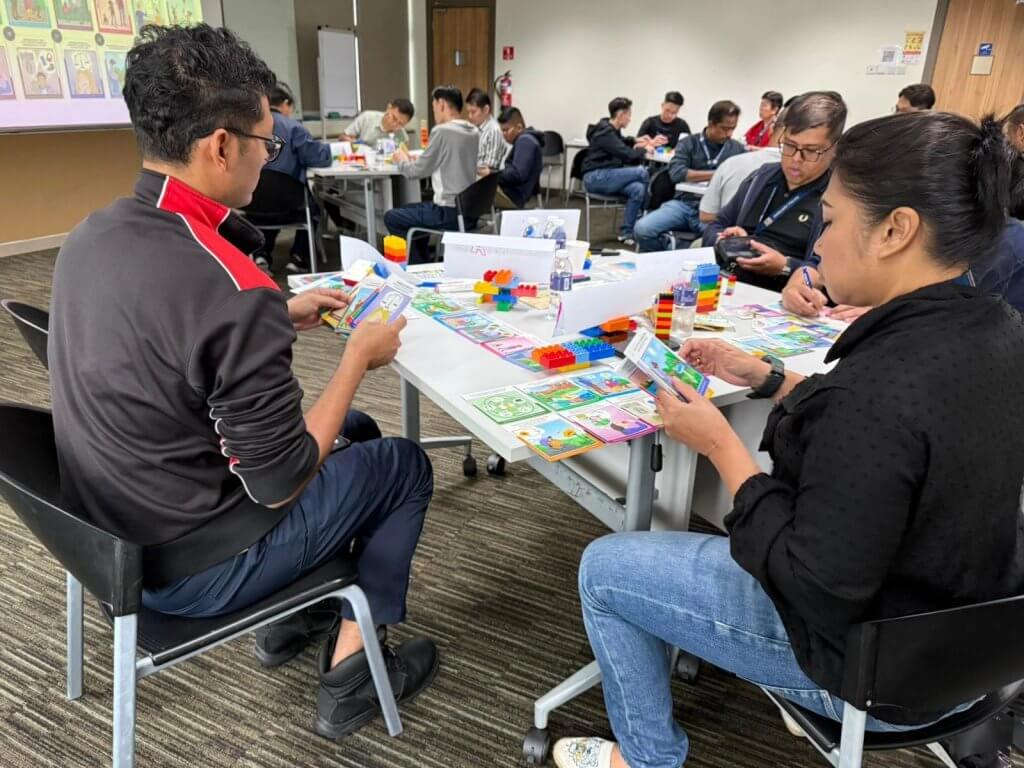
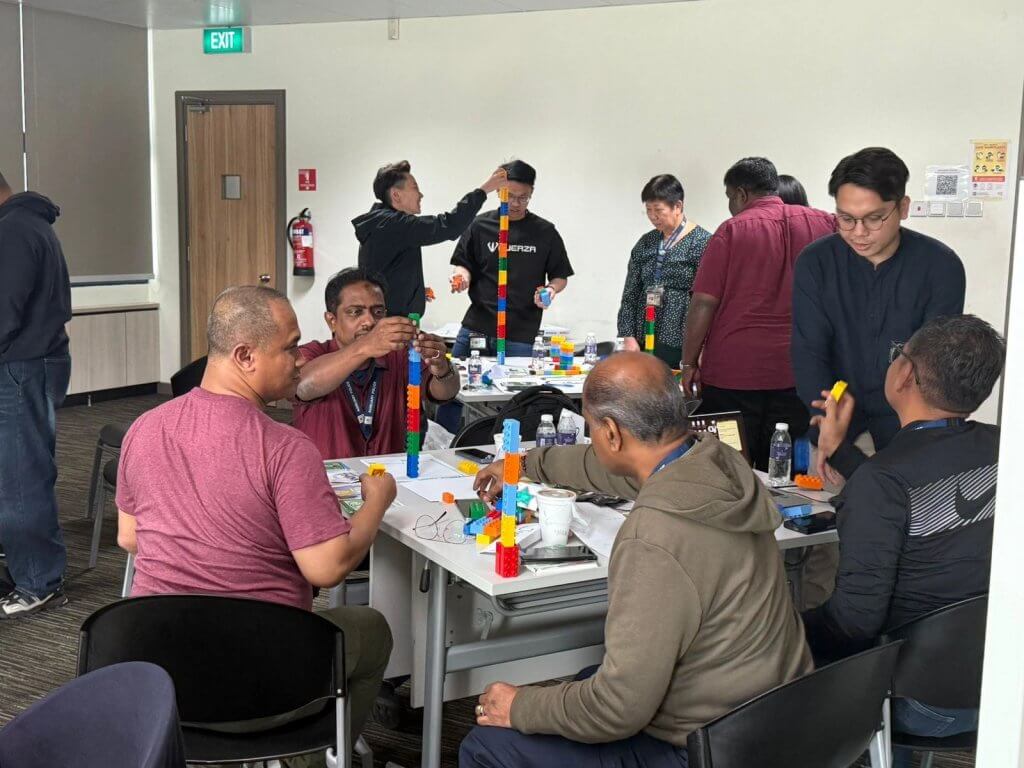 And yes, we made it fun too. (See photos 😊)
In a time where security challenges including Cybersecurity are more interconnected than ever, do you think it’s time we reframe what “preparedness” truly means?
I’d love to hear your thoughts below.