

And in learning and leadership, what can be counted often distracts us from what really matters.
Recently, I ran a masterclass called “Failing Forward Through Play.” at Singapore Institute of Technology Applied Learning Conference 2025.
My intended learning outcomes were bold, they focused on failure. I assumed that by naming it early, it would spark reflection on our beliefs about failure.
But what it did was trigger discomfort and participants asked:
“Shouldn’t we focus on success first?”
“Isn’t failure too risky to start with?”
Their resistance taught me a big lesson:
🔁 People may not be ready to go deep immediately.
🧠 My assumption, that exposing the belief early would spark introspection, was off.
If I had applied two critical systems thinking habits earlier, I could have better designed the flow:
1. Surface and test assumptions — What do I believe learners will feel when they see “failure” as a KPI? How can I test this assumption in a safe, early way?
2. Consider short-term, long-term, and unintended consequences — Could this trigger fear instead of curiosity? How might that shape group energy?
Luckily, the play-based experiential approach helped bring the group back to deeper internal conversations on failure and I ended off achieving the outcomes.
But it reminded me: the KPIs or learning outcomes we set shape how people engage. If we’re not mindful, we unintentionally close the very doors we want to open.
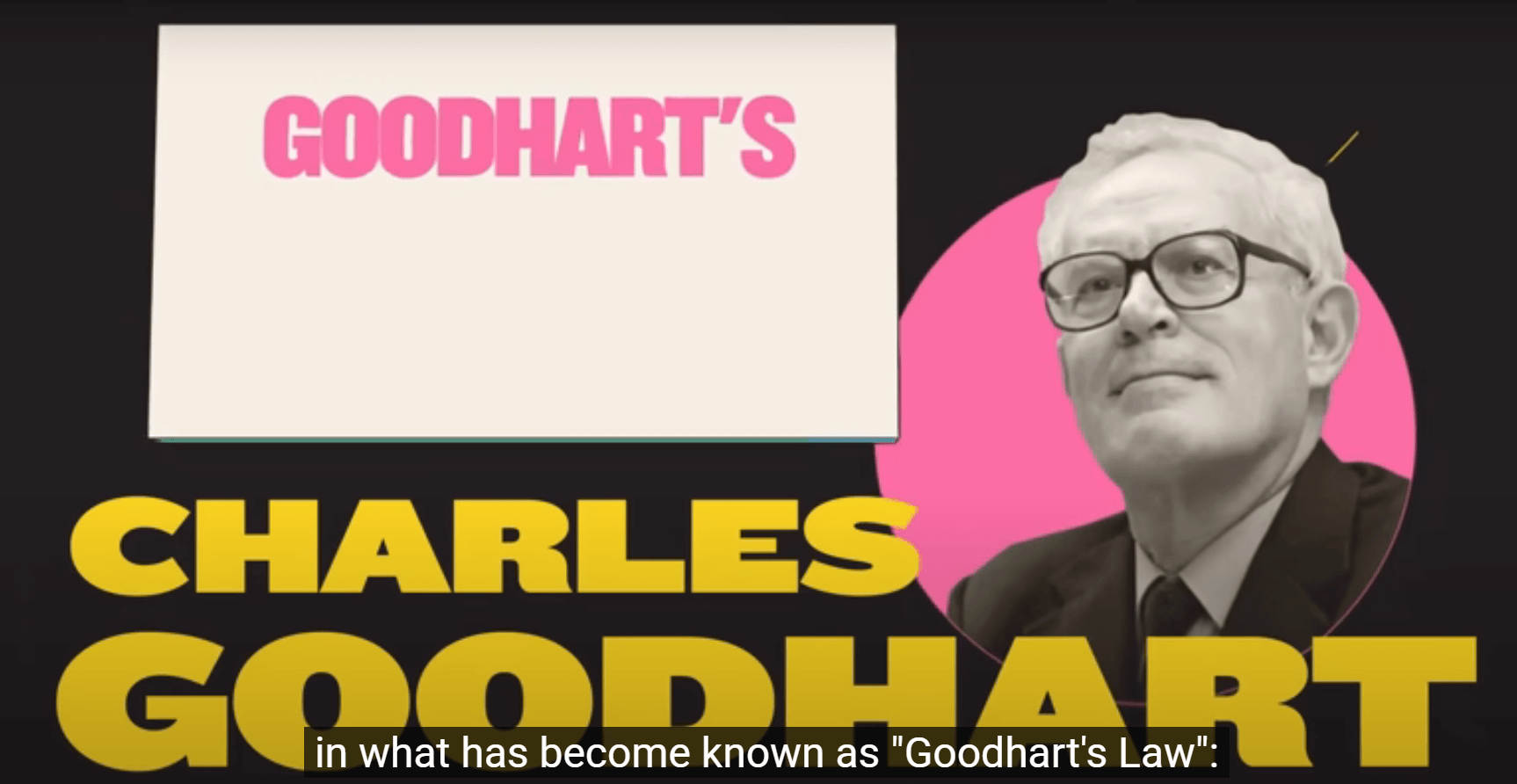
📹 Here’s a short video that reflects this idea brilliantly:
👉 Goodhart’s Law: When metrics backfire: https://www.youtube.com/watch?si=IjNvil46WfkZBzSK&v=lylI1Z1AHmg&feature=youtu.be
💬 Let’s make this a collective reflection:
How do you design KPIs in learning and leadership that don’t trigger the wrong behaviors?
What checks do you use to ensure your assumptions are still valid as things unfold?
✅ Follow me for more reflections like this: https://lnkd.in/g8aAURY9
🔁 Repost to help others avoid the trap of counting the wrong things and missing what truly counts.
Comment below on what do you do to set good KPIs and drive the desired outcome rather than unintended consequences.
Leadership Learning SystemsThinking KPI GoodhartsLaw UnintendedConsequences FailingForward
ALC2025